MLB Prop Odds Comparison: Line Shopping Strategies
 Available in US
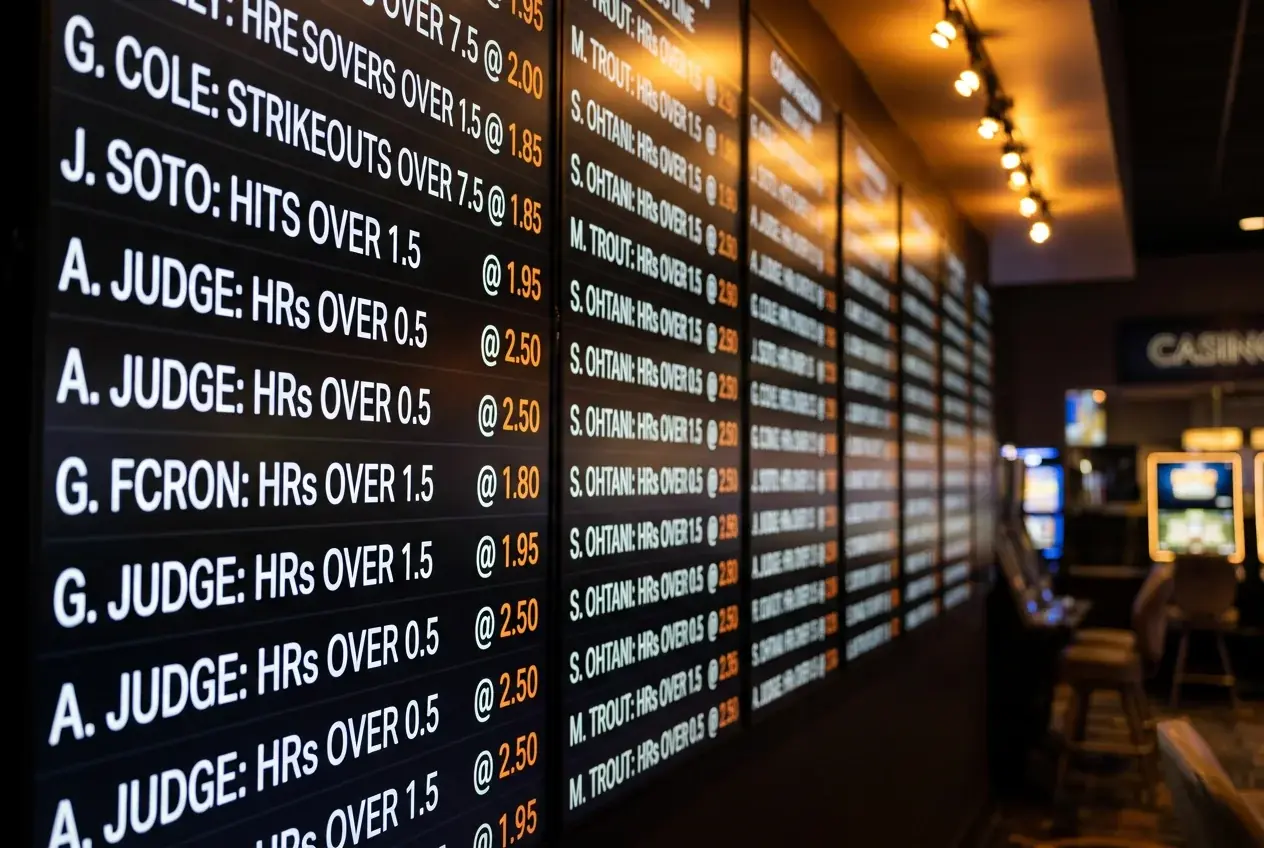
Line Shopping Strategies for MLB Prop Odds
I tracked my prop bets meticulously for an entire season before I bothered to compare lines across sportsbooks. When I finally ran the numbers, the result was embarrassing: I had left roughly 3% of potential return on the table simply by placing every bet with the same operator. Three percent sounds small until you compound it over 400 bets across a season. That is the difference between a marginally profitable year and a clearly profitable one.
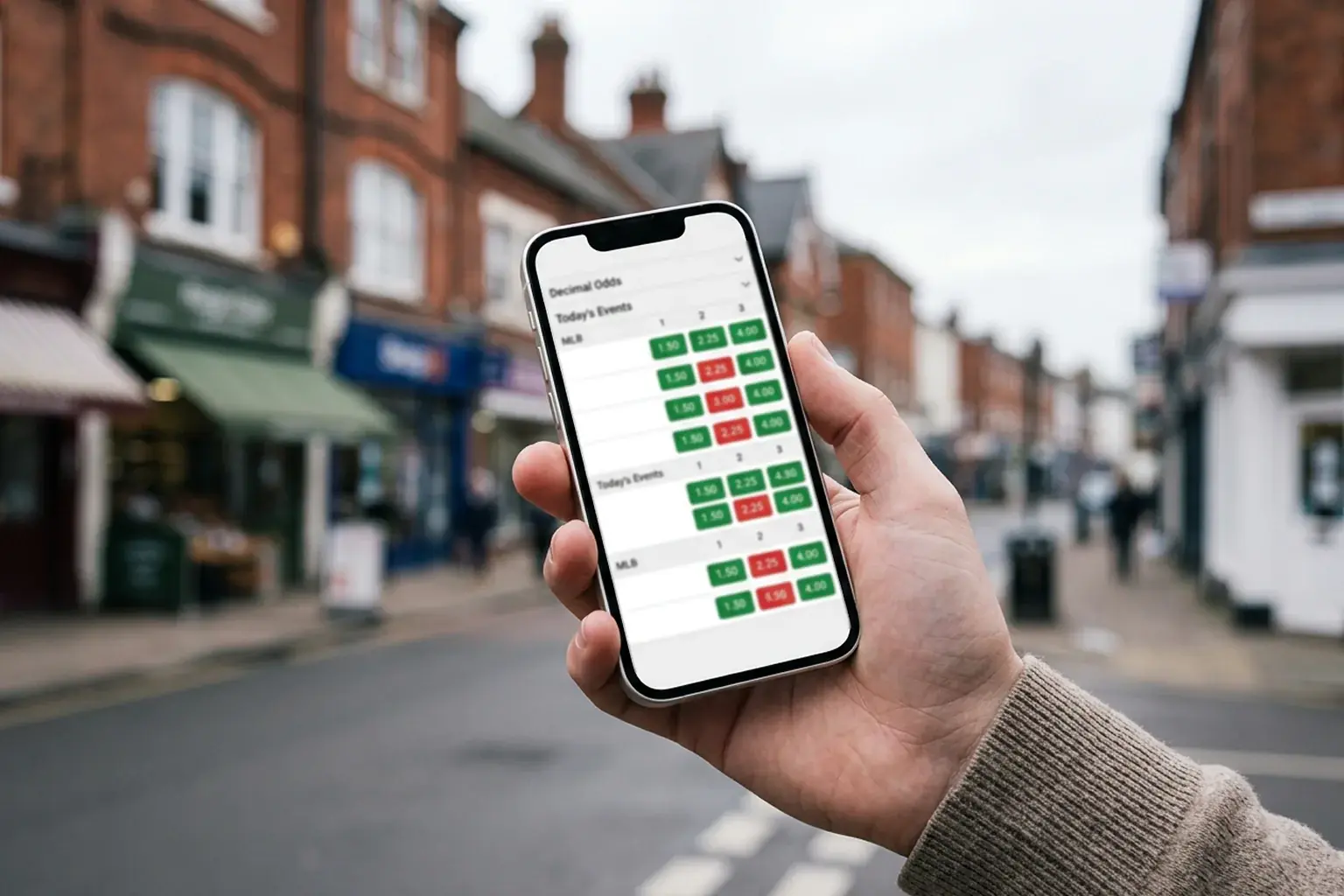
Line shopping is the practice of comparing the odds on the same prop across multiple sportsbooks and placing your bet where the price is most favourable. It requires no analytical skill, no model building and no insider knowledge. It requires only the discipline to open two or three apps before clicking “place bet.” The gross win margin for sportsbooks averaged 9.3% in 2024, up from 7.0% in 2019, which tells you that operators are extracting more from bettors than ever. Line shopping is the most direct way to push back against that trend.
For UK punters, the landscape is different from the US, where FanDuel and DraftKings jointly control roughly 72% of the regulated market. The UK market is more fragmented, with a wider range of licensed operators offering MLB props. That fragmentation is an advantage: more operators means more price variation, and more price variation means more opportunities to capture a better line.
How to Compare Prop Lines Across Books
The mechanics are simple, but the execution requires a routine. I check three sportsbooks for every prop bet I place. Two is the minimum for meaningful comparison; four adds diminishing returns unless you are betting at very high volume.
Start by identifying your target bet — say, a pitcher’s strikeout over at 5.5. Open your primary sportsbook and note the odds. Then open one or two alternatives and check the same line. You are looking for two things: differences in the odds at the same line, and differences in the line itself.
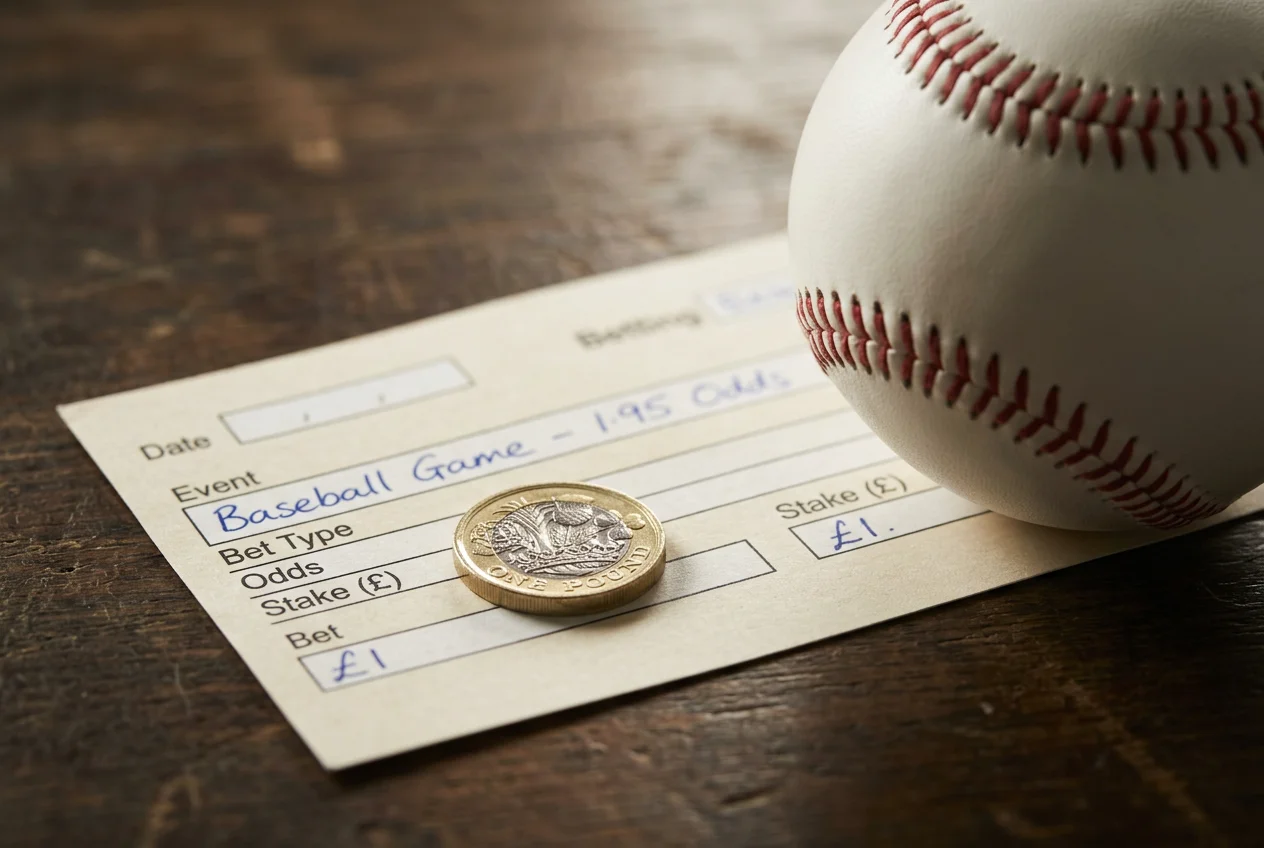
An odds difference means both books have the line at 5.5 strikeouts, but one offers the over at 1.87 and the other at 1.95. The second book is giving you better value on the same bet. Over a single wager the difference is negligible. Over hundreds of wagers, it compounds into a material edge.
A line difference means one book has the line at 5.5 and another has it at 6.5. This is less common on liquid markets like pitcher strikeouts but happens frequently on niche prop markets — total bases, stolen bases, walks issued — where fewer bettors create less price discovery. When the line itself differs, you need to evaluate which number gives you a better expected outcome at the posted odds. Sometimes 5.5 at 1.85 is worse value than 6.5 at 2.20 if your model projects six strikeouts, and sometimes it is better. The comparison forces you to think in probabilities rather than in gut reactions.
Timing matters. Prop lines move throughout the day as information arrives — lineup announcements, injury news, weather updates. Lines posted at 9 a.m. may look different by 5 p.m. I check lines once when they first post, then again roughly an hour before game time. The first check identifies targets; the second check locks in the best available price.
Understanding and Calculating the Vig on Prop Markets
Every sportsbook price includes a built-in margin — the vigorish, or vig — which is the house’s compensation for facilitating the bet. On a perfectly fair market, the over and under would each be priced at 2.00. In practice, both sides are priced below 2.00, and the gap between the two sides represents the vig.
To break even at standard -110 odds — which translates to 1.91 in decimal format — a bettor needs a win rate of 52.38%. That 2.38% above 50/50 is the vig. On prop markets, the vig is often wider than on main lines because the betting volume is lower and the sportsbook compensates for increased pricing uncertainty by building in a larger margin.
Calculating the vig on a specific prop line is straightforward. Take the implied probability of each side and add them together. If the over is at 1.87 (implied: 53.5%) and the under is at 1.93 (implied: 51.8%), the combined implied probability is 105.3%. The vig is 105.3% minus 100% = 5.3%. A vig of 5.3% is moderate for a prop market; some niche props carry a vig above 8%, while the most liquid markets sit closer to 4%.
Why does this matter for line shopping? Because the vig varies across sportsbooks. One operator might price the over at 1.87 / under at 1.93 (vig: 5.3%) while another prices the same line at 1.90 / under at 1.90 (vig: 5.3% but with better individual prices). A third might offer 1.85 / 1.95 (vig: 5.3% again, but the over is worse and the under is better). By checking all three, you find the best price for the specific side you want to bet, effectively reducing your personal vig even though the overall market vig remains constant.
When Lines Move and When to Lock In
MLB prop lines are most volatile in two windows: the hour after they first post and the 90 minutes before game time.
The first window captures the initial market-making process. Sharp bettors — the small minority who are profitable long-term — hit the opening lines immediately, and their action moves the price. If the opening line on a strikeout over is 1.95 and sharps pound the over, it will quickly tighten to 1.85 or lower. If you are not among the first to act, you may miss the best price. For UK bettors, the timing challenge is real: MLB lines often post during the UK afternoon, and games start in the late evening. The opening-line window may close before you have finished your day job.
The second window — 90 minutes before game time — is driven by lineup announcements and late-breaking information. A surprise scratch of a key batter, a bullpen arm placed on the injured list, or a weather change can shift prop lines significantly. I find this window more actionable for UK bettors because it coincides with the early-to-mid evening, when most of us are able to sit down and do focused research.
The question of when to lock in depends on your confidence and the direction of movement. If you have identified a prop you want to bet and the line is moving in your favour — the odds are getting better — there is no reason to wait. If the line is moving against you, patience may improve the price, but it also risks the line moving past a threshold that eliminates the value entirely. My default rule is to lock in within 60 minutes of game time once I have confirmed the lineup card and the final weather report. Holding out for marginal improvements beyond that point introduces more risk of missing the bet entirely than the potential reward of a slightly better number.
The discipline of line shopping is the foundation of every serious prop-betting operation. It does not replace the need for good analysis, sound bankroll management or a clear understanding of expected value. But it ensures that when your analysis is correct, you capture the maximum return from being right.
How much edge can line shopping add to an MLB prop over the course of a season?
Consistent line shopping across three or more sportsbooks typically captures an additional 2-4% return compared to placing every bet with a single operator. That margin compounds over hundreds of bets across a full MLB season, often representing the difference between a marginally profitable year and a clearly profitable one. The edge comes from capturing better odds on the same bet, which reduces your effective vig over time.
What tools exist for comparing MLB prop odds in real time from the UK?
Several odds-comparison websites aggregate prop lines from multiple sportsbooks, though coverage of MLB props specifically varies by platform. UK bettors can also manually compare lines by opening two or three sportsbook apps simultaneously. The manual approach is more time-consuming but ensures you see the exact odds available on your own verified accounts, which may differ from the lines displayed on third-party aggregator sites.
Published by the mlb bet Props team.